The legacy
The Tupac Mystery: Unsolved, and Beside the Point
By Selim Rochat · 9 July 2026 · 5 min read
I’ll start with a confession: when I discovered Tupac as a teenager, I spent whole evenings on forums combing through the theories. The hidden clues, the album covers, the dates. I believed it, a little, for a while. Then I grew up, and above all I listened. Today my position fits in one sentence, which is also the thesis of this site: the Tupac mystery is real, but it does not matter. Let me defend both halves of that sentence, because each one earns the other.
The mystery is real: a murder never brought to trial
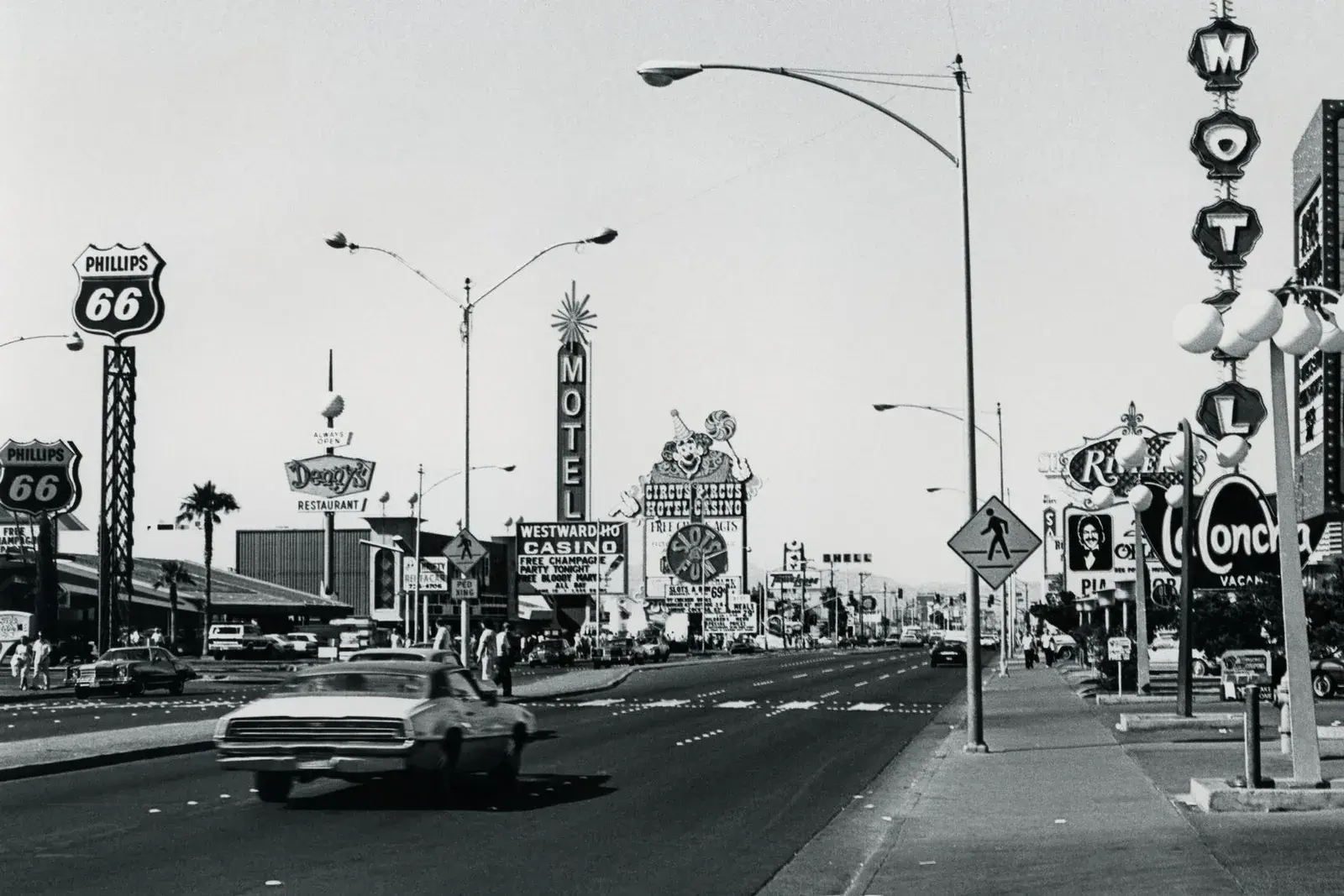
The facts first, and nothing but. On September 7, 1996, Tupac Shakur is gunned down at a Las Vegas red light, in Suge Knight’s car, hours after an altercation at the MGM Grand. He dies of his wounds on September 13, at twenty-five. And then, nothing. For twenty-seven years, one of the most famous murders in music history produced not a single indictment. No trial, no culprit, no verdict. For a crime committed in front of witnesses, in the heart of a city saturated with cameras and police, that is genuinely staggering, and the backdrop of the coastal war doesn’t explain everything.
Things only moved in September 2023, with the arrest of Duane Davis, known as Keffe D, a former member of the South Side Crips, indicted for murder by a Nevada grand jury. The case is working its way through the courts, a trial is expected in 2026, and I’ll write here what has to be written: this man is presumed innocent until a jury decides otherwise. His own past statements, in interviews and a book, sit at the center of the file, but statements are not a verdict. That is the exact state of the criminal mystery: real, old, perhaps on its way to a judicial resolution, perhaps not.
The folklore: seven days, Makaveli and the Florentine
Alongside the judicial mystery there is the folklore, and I want to treat it with the ironic tenderness it deserves. The seven-day theory first: shot on September 7, dead seven days later, at an hour people helpfully round off, on a posthumous album subtitled The 7 Day Theory that he supposedly recorded in seven days. Numerology enthusiasts saw a code in it. What I mostly see is proof that the human mind finds sevens everywhere once it goes looking for them.
Then there’s the great classic: Tupac is supposedly alive. The central argument rests on his final pseudonym, Makaveli, borrowed from Machiavelli, whom he had read in prison. Legend has it the Florentine recommended staging one’s own death to fool one’s enemies. It’s charming, and it’s false: you will search The Prince in vain for that advice, and Machiavelli himself died exactly once, in 1527, without any fuss. Tupac loved the thinker for what he said about power, loyalty and betrayal, the themes that saturate his final years, as I recount in the article on the betrayals. The rest, the Cuba sightings, the blurry photos, the hidden messages on The Don Killuminati, comes down to the same mechanism that keeps Elvis alive in Michigan gas stations. You can smile without sneering: if this folklore exists, it’s because millions of people never accepted his death. It is a failed mourning, on the scale of a generation.
And now, the second half of my sentence
Here is where I’m headed. Suppose everything were resolved tomorrow: a verdict, confessions, the full truth about who ordered it. What would that change about Dear Mama? About Brenda’s Got a Baby? About the night crossing of Me Against the World? Nothing. Strictly nothing. The work is there, sealed since September 1996, and it is immense. Five studio albums in his lifetime, hundreds of recorded tracks, two double albums in the same year, films, a book of poems. Nobody will add a line to that corpus, and nobody will subtract one.
That’s why I distrust the mystery: it works like a magnet, pulling attention away. Ten times more has been written about the circumstances of his death than about the construction of his albums. Entire documentaries reconstruct the Las Vegas night minute by minute, while almost nobody has asked why he doubles his own voice on some hooks and not others. The crime story devoured the artist, and I run this site precisely to reverse that ratio.
What is certain
Because while everyone speculates, here is what holds no mystery at all. Between November 1991 and his death, barely five years, Tupac redefined what rap could say. Before him, you could be conscious or gangster, tender or menacing, intimate or political. He was all of it at once, often on the same album, sometimes in the same song, and he showed that contradiction was not a weakness but a territory. He brought naked confession into a music that cultivated armor. He wrote about his mother, about his fear of dying, about teenage mothers and about his own failings with a candor nobody has matched since. A pivotal artist in the strict sense: there is a way of rapping, of telling your own story, of inhabiting the microphone that did not exist before him and is everywhere after him, as I tried to show in the article on his influence.
So yes, I hope justice runs its course, for his family and for the record. Yes, I will follow the trial, along with everything else this thirtieth anniversary stirs up, from the hub page of the fortnight. But I now know the hierarchy of questions. Who killed Tupac Shakur is a matter for a courtroom. What Tupac Shakur left behind is a matter of listening, and that case anyone can open tonight, starting for instance with my ten tracks to understand him. The file is on the turntable. The mystery can wait.
A Las Vegas street in black and white: an old car, motel and casino signsMalcolm Hill (Pexels) · licence Pexels
#heritage#las-vegas#makaveli#theories